
Before You Build: What We Wish Every Client Knew About Creating a Custom Expedition Truck
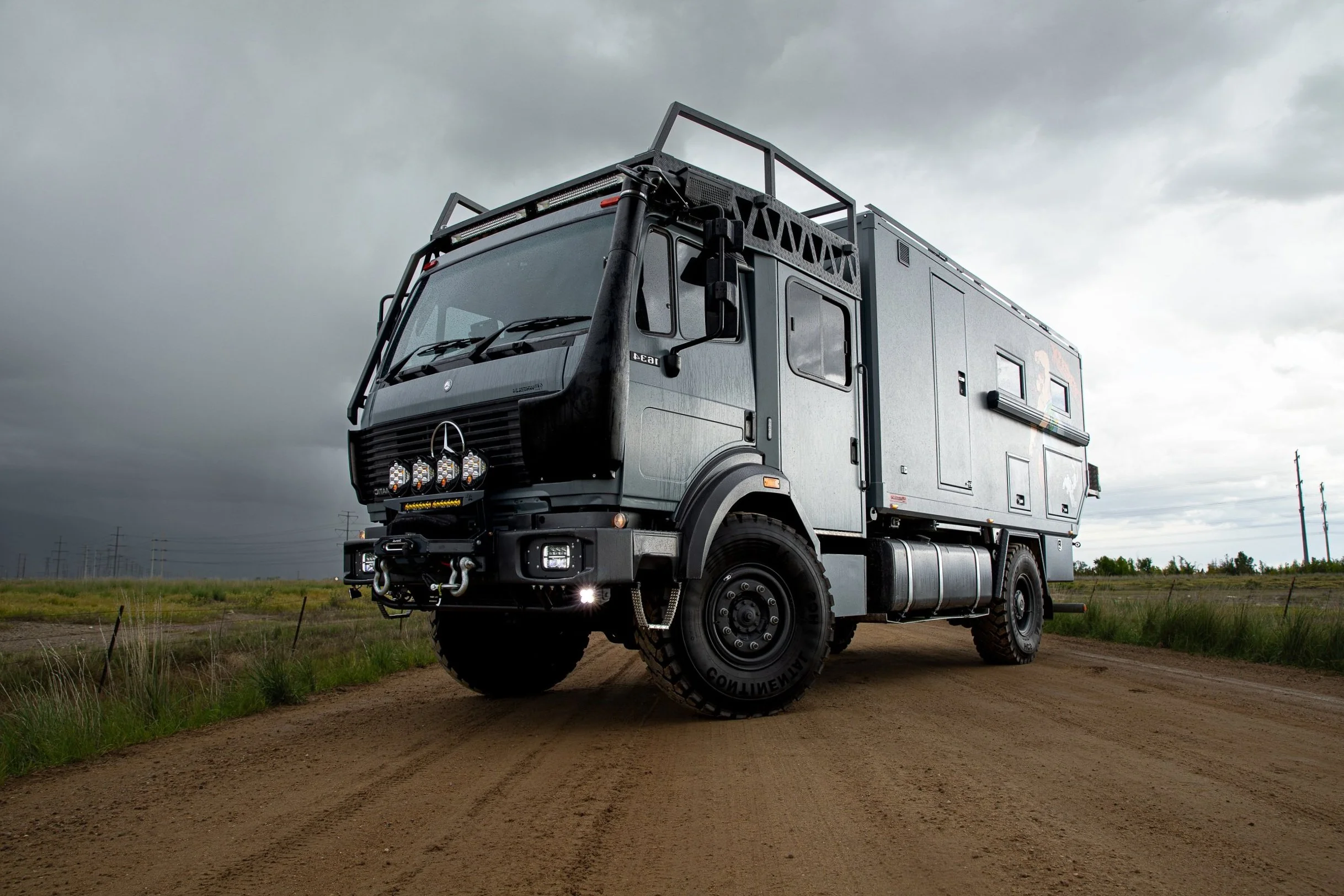
Starting a build is more than just a transaction; it is a process. And here at ACME Overland, we want that process to be special. We want it to have feeling.
When you come to us to discuss a custom expedition vehicle, we aren’t just talking about nuts, bolts, and subframes. We are talking about your dreams. But before we get to the fun part of designing a luxury overland camper or a rugged off grid vehicle, there are a few things we wish every client knew before they walked through our doors.
Here is a look at what drives the conversation and what you need to consider before starting your project.
1. Define Your Travel Style
The first thing we are going to do is sit down and dig into your lifestyle. This dictates everything.
Where are you going? Are you sticking to the U.S.? Heading north to Alaska? Or shipping the truck to South America?
Who is coming with you? Is this a solo rig, or do we need to accommodate a family?
What is the timeline? Are you traveling for two weeks at a time, or living on the road for months?
If you are planning a Mercedes expedition truck build for a family of four, the requirements for water, power, and sleeping arrangements (like bunk beds) are vastly different than a solo traveler in an Acela Monterra. We need to plan not just for your life right now, but for what your travel lifestyle might evolve into.
2. Experience is the Best Architect
If you haven’t spent time off-grid yet, I always give the same advice: Go rent a rig. Even if it’s just a van.
Before you commit to building an overland truck, you need to know what you love and, more importantly, what you don’t love. Rent some sort of vehicle for a week. Take a trip. Get a feel for the space constraints and the systems.
This experience drives the conversation. It helps you articulate exactly what functionality you need in your vehicle, ensuring we build something that actually works for you, rather than something that just looks good on paper.
3. Balancing Aesthetics and Function
We spend a lot of time discussing the balance between how the truck looks and how it works. These two things—function and aesthetics—are equally important.
If the aesthetics don’t feel right to you, you won’t love the truck. But if the function isn’t there, the aesthetics don’t matter. Whether we are designing a Mercedes Unimog camper or an International HV build, the goal is to make the form and function swirl together into one cohesive design.
4. The Budget Talk
We dive deep into the budget early on. There is inevitably a minimum cost required to build a safe, capable overland adventure truck, and while that number varies wildly based on components and finishes, having a clear budget allows us to build an accurate estimate. It keeps the project grounded in reality.
5. The Foundation Matters (Choose Wisely)
We can’t talk about the build without talking about the chassis. It is the literal foundation of the vehicle.
We have discussed this at length before, specifically regarding the differences between American options like Acela Trucks and European legends like the Mercedes Benz Unimog.
Choosing the right platform early in the process is critical because it dictates the engineering of the subframe and the dimensions of your habitat.
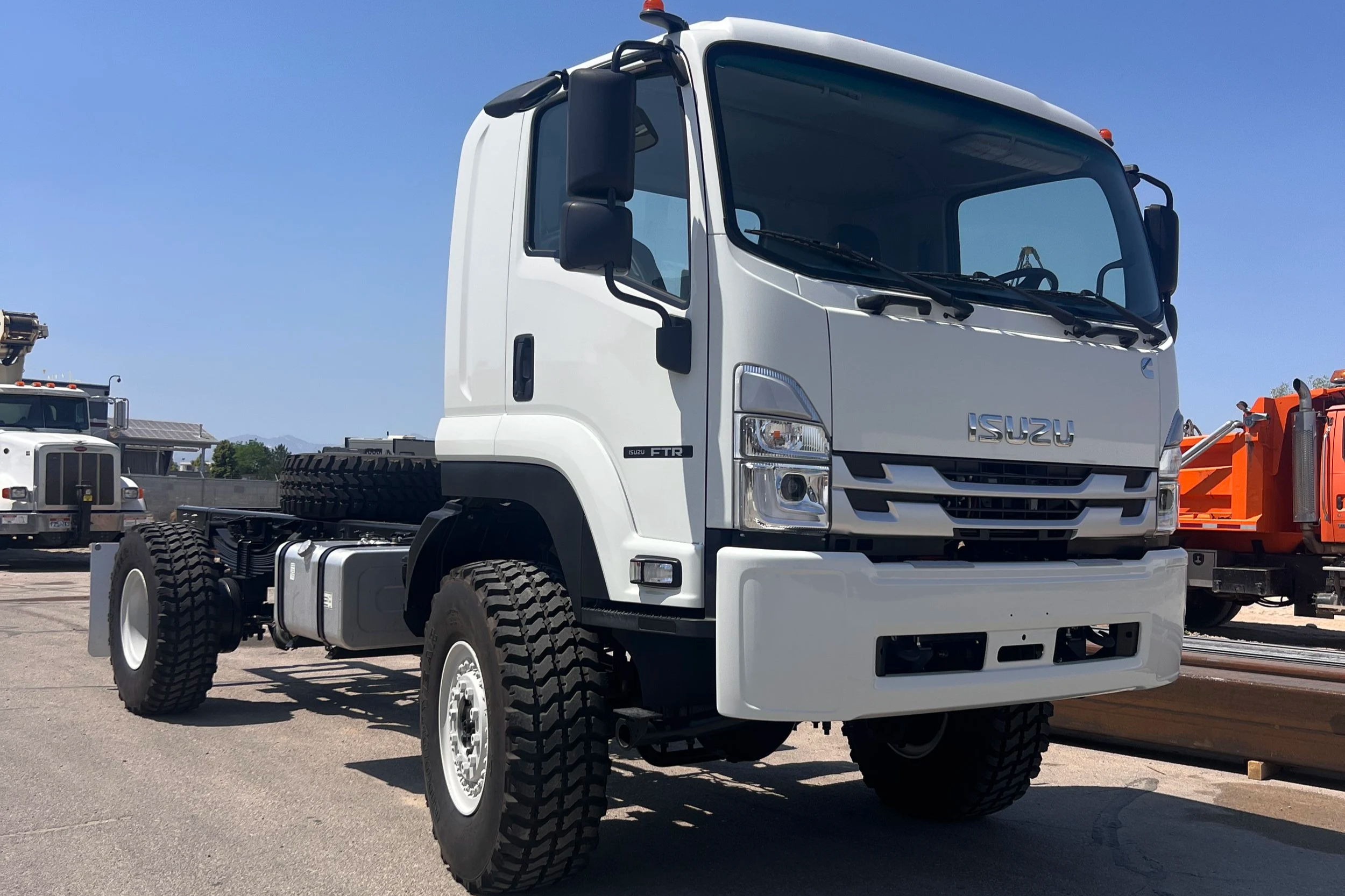
We have a full post on choosing the right chassis for your expedition truck:
6. Quality Takes Time (Seriously)
This is the big one: Patience.
Our typical projects for an expedition truck take 10 to 12 months from the moment we get the chassis to the moment we hand you the keys.
I am continually blown away by how much time the process takes, especially that last 5%. Testing systems, refining finishes, and ensuring every bolt is perfect is a time-consuming labor of love. We strive to be very upfront about this. We will keep you up to date throughout the project, but we will never rush quality.
Trust the Process
We have been doing this a long time. We feel that we have a great grasp on what it takes to build a world-class overland truck, and we are here to walk you through it.
If you are ready to start that conversation, or if you have questions, reach out.
Let’s build something incredible together.