
Weight Distribution & Payload: Protecting Your Overland Build
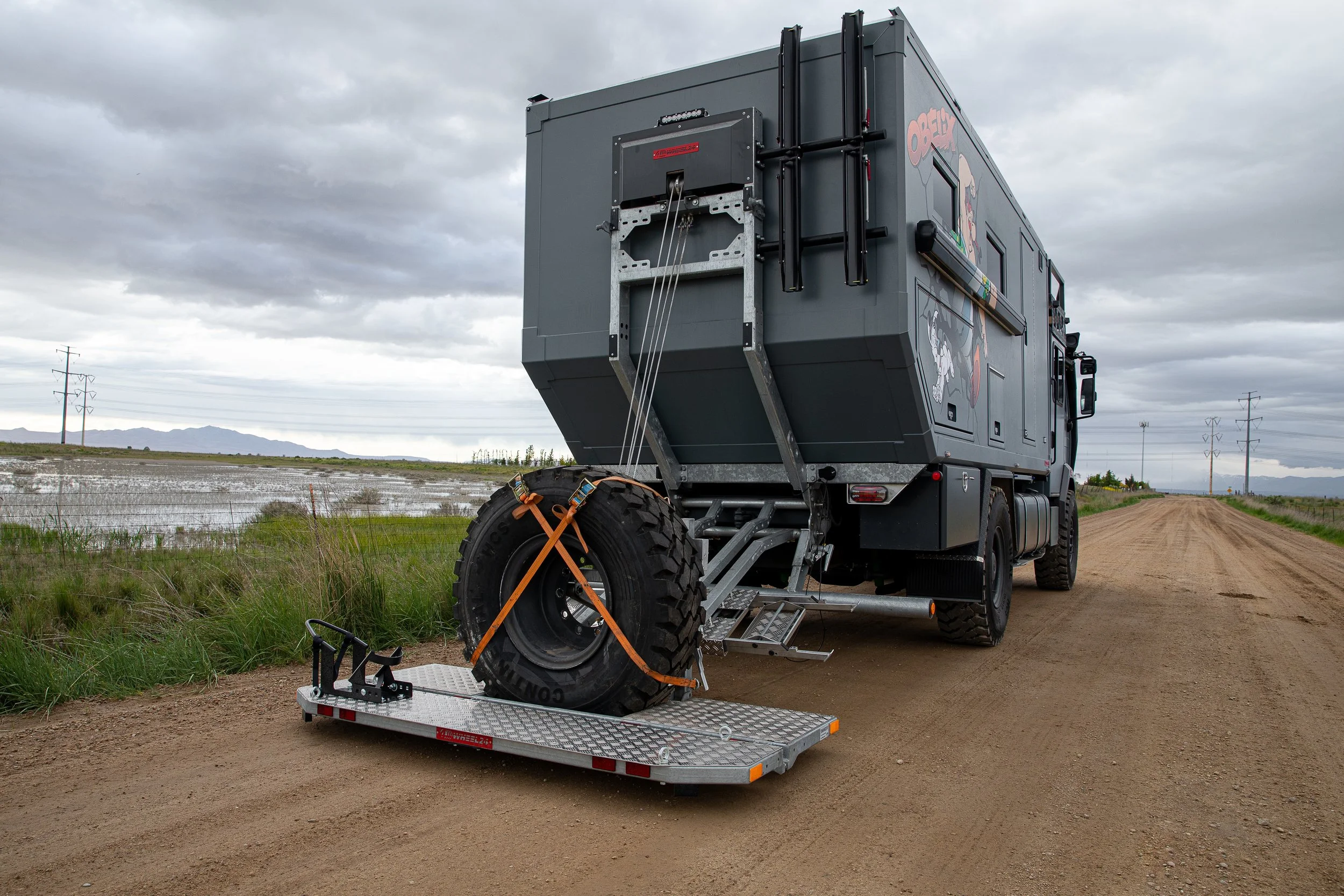
When engineering a mobile estate, weight architecture is the unseen framework that dictates how your vehicle handles on highway passes and extreme backcountry tracks alike. Overloading a chassis or mismanaging payload distribution drastically compromises off-road capability, accelerates drivetrain wear, and creates dangerous handling characteristics on off-camber terrain.
Before specifying custom interior cabinetry, heavy liquid storage, or auxiliary hardware, understanding structural payload dynamics is essential to building a safe, reliable land vessel.
Understanding the Vehicle Weight Hierarchy
Gross Vehicle Weight Rating (GVWR): The maximum total allowable mass of the vehicle as specified by the chassis manufacturer.
Wet Curb Weight: The baseline mass of the vehicle, including the chassis, fuel, water, and habitation module.
Net Payload Safety Reserve: The remaining allowable cargo capacity, targeting a 10–15% buffer below the maximum GVWR.
Every chassis carries a strict manufacturer Gross Vehicle Weight Rating (GVWR)—the absolute maximum allowable total mass including the vehicle, fluids, passengers, and cargo. Subtracting your wet curb weight leaves your net payload capacity.
The ACME Engineering Standard: Always maintain a 10–15% safety buffer below your chassis manufacturer's maximum GVWR. Preserving this capacity protects suspension travel, maximizes braking efficiency, and extends overall drivetrain longevity under harsh off-road conditions.
Intelligent Load Distribution and Low Center of Gravity
High-clearance expedition trucks inherently feature a higher center of gravity than standard off-road vehicles. How and where you place heavy components directly governs vehicle stability on steep side-slopes and technical descents.
Lowering the Mass Center: Positioning heavy fixed assets—such as lithium battery banks, auxiliary fuel reserves, and heavy garage gear—low down within the subframe assembly drastically reduces body roll and suppresses body-sway during off-camber maneuvers.
Liquid Mass Dynamics: Fluid storage represents one of the largest variable weights on any rig. In our detailed breakdown on Sizing Your Off-Grid Water System, we explain how baffled stainless steel and poly tanks integrated directly into the subframe keep dynamic liquid sloshing from unsettling your chassis mid-trail.
Axle Load Balance: Distributing weight evenly between the front and rear axles prevents uneven tire contact patches and front-end steering float. Proper balance allows custom suspension systems to articulate naturally, ensuring maximum traction across rutted tracks.
Payload Impacts on Vehicle Recovery and Safety
Total vehicle weight plays a direct role in off-road self-recovery. The heavier your overall build, the exponentially higher the kinetic forces required to extract it from deep mud, silt, or sand.
As covered in our guide to Heavyweight Recovery Gear: Essential Sizing for Expedition Rigs, standard SUV recovery equipment will fail under heavy loads. Operating near your GVWR requires high-tonnage synthetic winches, commercial-grade snatch blocks, and recovery points tied directly into the main chassis rails to prevent frame twisting during high-load pulls.
Prioritizing structural balance and payload discipline during the design phase ensures your vessel delivers effortless handling across any highway or mountain trail.
Ready to Engineer Your Mobile Estate?
Building a custom expedition vehicle requires precise engineering, weight distribution, and uncompromising craftsmanship. Contact the ACME Overland team today to discuss your vision and start designing your high-capability platform.